
War Related Illness and Injury Study Center





Clinical Evaluation
Airborne Hazards and Burn Pits Center of Excellence Specialty Clinical Evaluations
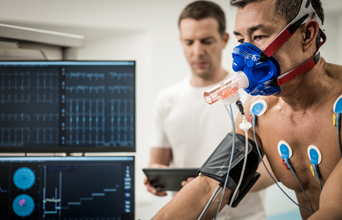
Specialty clinical evaluations are done by clinicians at the Airborne Hazards and Burn Pits Center of Excellence as part of the Post Deployment Cardiopulmonary Evaluation Network (PDCEN). Clinicians screen the Airborne Hazards and Open Burn Pit Registry to identify Veterans with specific reports of respiratory health concerns. Selected Veterans are then invited to participate in an in-person evaluation at one of the PDCEN sites which includes the Center of Excellence in New Jersey.
Those invited are then asked to provide additional information about their respiratory symptoms, sleep quality and other key information that may relate to their current health status. They are also asked to describe any associated medical diagnoses they may have received as well as potential exposures to military burn pits and other airborne hazards while they were deployed.
Our Specialized Clinical Assessment Approach
The primary objectives of our specialized clinical assessments are to:
- Assess any respiratory or related conditions the Veteran is experiencing
- Assess previous evaluations and confirm diagnoses if present
- Determine if the conditions are related to deployment
- Provide recommendations to the Veteran and their providers to identify treatments and/or follow-up care to improve their health
Comprehensive Testing
Participating Veterans receive a comprehensive health history and physical exam. They may also undergo diagnostic testing, including, but not limited to:
(Click on each item to learn more)







Other testing provides an assessment of respiratory mechanics as well as airway hyperreactivity and inflammation. Each test seeks to identify any possible abnormalities, including any that may be associated with potential airborne hazard exposures.
Assessment by Specialty Providers
After the specialized clinical assessment has been completed, the evaluating site's expert providers convene to provide a final Summary Visit. This is intended to be a comprehensive assessment of the Veteran's primary health concerns. In addition, Veterans are provided with the following information:
- Any specific respiratory or related condition(s) they have
- Whether the condition(s) are likely to be related to airborne hazard exposure
- What treatments and/or follow-up care protocols are recommended
The Center of Excellence's role is to identify possible conditions resulting from a Veteran's evaluation and learn from these evaluations to better understand respiratory health concerns associated with airborne hazards. Findings from specialized assessments and recommendations are provided to the Veteran and their primary care provider for any follow-up management and care. Larger learnings are used to guide research efforts and develop best practices to be disseminated to the broader healthcare community.